If you’re searching for how to turn off message notifications on Mac, you’re likely feeling overwhelmed, distracted, or emotionally drained.
Sometimes, the constant pings are just too much. You may be trying to focus, heal, rest, or simply enjoy a quiet moment without interruptions pulling at your heart.
In emotional times, even a single notification can feel heavy. It can remind you of conversations you’re not ready for or moments you need space from.
That’s why learning how to turn off message notifications on Mac isn’t just a technical step—it’s an act of self-care.
This post goes beyond settings and steps. It gives you ready-to-send heartfelt messages you can use when you mute notifications.
When words fail, these gentle messages help you express what your heart feels—clearly, kindly, and honestly.
🌿 1. When You Need Emotional Quiet Time
Sometimes silence is not distance—it’s healing. This section is for moments when your heart needs rest and your mind needs calm.
: I’m taking a quiet break to protect my peace.
: I need silence today, not distance from you.
: This pause helps me breathe again.
: I’ll reply when my heart feels lighter.
: I’m choosing calm over noise right now.
: This quiet moment means a lot to me.
: I’m resting emotionally, not ignoring you.
: Peace is my priority today.
: I need stillness to feel whole again.
: Silence helps me heal.
💼 2. When Work Overwhelm Takes Over
In busy seasons, turning off alerts is about survival, not avoidance. These messages explain your need for focus with kindness.
: I’m focusing deeply right now.
: I’ve muted notifications to stay productive.
: This helps me give my best later.
: I’ll respond once work slows down.
: I need uninterrupted focus today.
: Quiet helps me finish strong.
: I’m protecting my work flow.
: This pause keeps me balanced.
: I’ll reconnect soon.
: Focus now, conversation later.
🌙 3. When You’re Mentally Exhausted
Emotional burnout is real. Turning off alerts is a boundary, not a rejection.
: My mind needs rest today.
: I’m mentally tired and need quiet.
: I’m taking a gentle break.
: Silence helps me reset.
: I’m listening to my limits.
: This pause is necessary.
: I’ll talk when I feel stronger.
: Rest comes first today.
: My energy is low right now.
: I need time to recharge.
💔 4. During Emotional or Personal Struggles
When life feels heavy, even notifications can hurt. These messages express vulnerability with grace.
: I’m dealing with something personal.
: I need emotional space today.
: My heart is healing quietly.
: I’ll reach out when ready.
: I appreciate your patience.
: This silence is part of healing.
: I need time to process.
: I’m being gentle with myself.
: Quiet helps me cope.
: Thank you for understanding.
🌸 5. When Practicing Self-Care
Self-care means choosing yourself without guilt. Turning off alerts can be a loving choice.
: I’m choosing self-care today.
: I’m protecting my peace.
: Quiet time helps me feel grounded.
: This is a self-love moment.
: I’m prioritizing my well-being.
: I need calm right now.
: Rest is my focus today.
: I’ll be back refreshed.
: I’m honoring my needs.
: Peace feels important today.
🧘 6. When You Need Digital Detox
Constant messages can drain the soul. This is about stepping back to reconnect with life.
: I’m taking a digital break.
: Offline time feels necessary.
: I’m disconnecting to reconnect.
: Silence helps me be present.
: I’ll reply after my detox.
: Stepping away from screens today.
: This break feels healthy.
: I’m unplugging for peace.
: Digital rest matters.
: See you soon, offline.
🌼 7. When You Need Sleep or Rest
Rest is sacred. Turning off notifications protects your sleep and soul.
: I’m resting now.
: Sleep comes first tonight.
: I’ll reply after rest.
: Quiet helps me sleep.
: I’m winding down.
: Resting my body and mind.
: I need uninterrupted sleep.
: Goodnight and thank you.
: Sleep is my priority.
: I’ll talk tomorrow.
💬 8. When You Don’t Want to Explain Too Much
Short messages can still be kind and respectful.
: I’m unavailable right now.
: I’ll respond later.
: Taking a short break.
: Busy at the moment.
: Quiet time needed.
: Pausing notifications.
: Will reply soon.
: Offline for now.
: Back later.
: Thank you for understanding.
🤍 9. When Setting Healthy Boundaries
Boundaries are love, not walls.
: I’m setting healthy boundaries.
: need space to stay balanced.
: This boundary supports my well-being.
: I’m learning to protect my energy.
: Quiet helps me show up better.
: I’m choosing balance.
: Boundaries help me stay kind.
: This pause is intentional.
: I value peace.
: Thank you for respecting this.
🌟 10. When You Want to Reconnect Later
Silence doesn’t mean goodbye. These messages leave the door open with warmth.
: I’ll reach out soon.
: This is temporary, not permanent.
: I’m grateful for your patience.
: We’ll talk again soon.
: I appreciate your understanding.
: Looking forward to reconnecting.
: I’ll be back shortly.
: Thank you for waiting.
: This pause won’t last long.
: Talk soon with love.
❓ FAQ: How to Turn Off Message Notifications on Mac
How do I turn off message notifications on Mac?
Go to System Settings → Notifications → Messages → Turn off alerts.
Will turning off notifications stop messages completely?
No. Messages still arrive, but you won’t be interrupted.
Can I turn notifications back on later?
Yes. You can re-enable them anytime.
Is muting messages healthy?
Yes. It supports mental clarity and emotional balance.
Does Focus Mode help with notifications?
Yes. Focus Mode is great for scheduled quiet time.
💖 Conclusion (100–150 Words)
Learning how to turn off message notifications on Mac is more than a technical choice—it’s a gentle way to protect your heart, focus, and peace.
In moments of stress, healing, or deep reflection, silence can be a gift you give yourself.
The messages in this post help you explain that silence with kindness, clarity, and care. Use them as they are, or personalize them to match your feelings.
If these words helped you, share them with someone who needs quiet too.
If you found these touching, explore our emotional boundary messages.
Want more inspiration? Read our self-care and healing wishes.
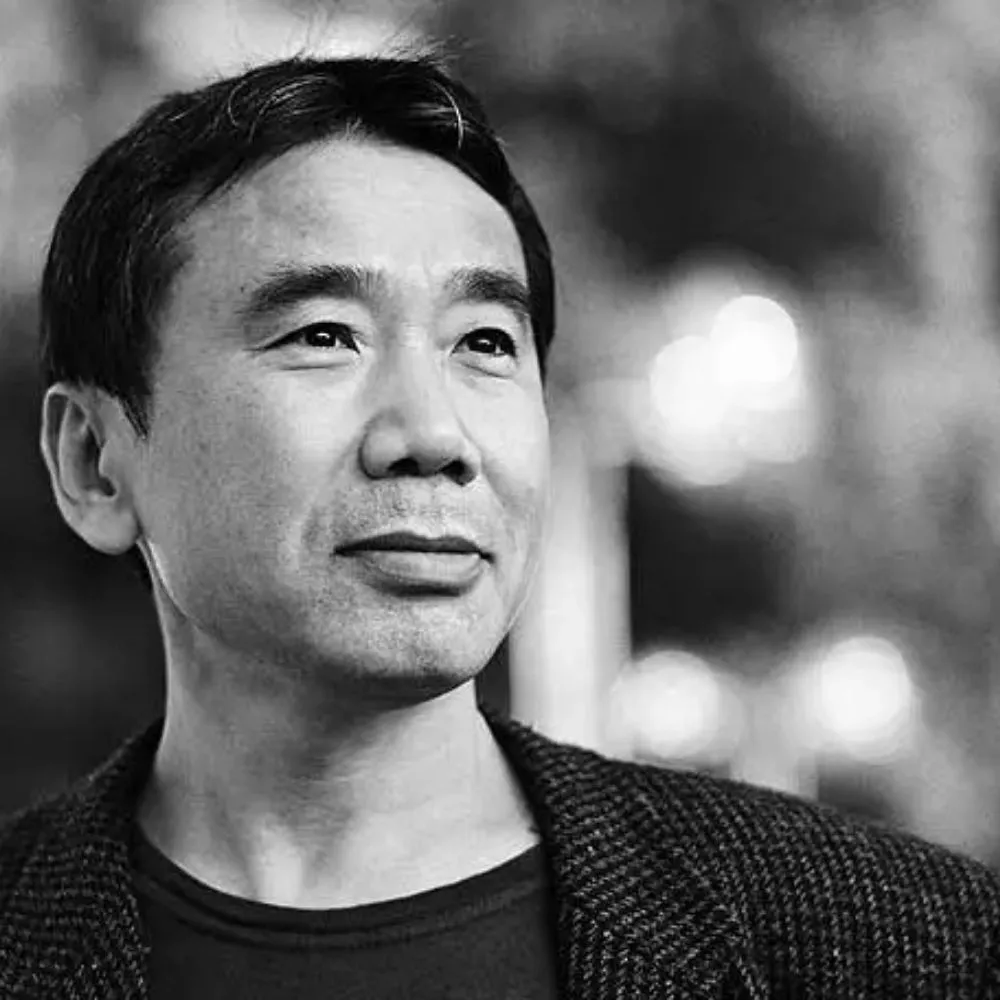
Haruki Murakami is a world-renowned Japanese novelist, short-story writer, and translator, best known for his surreal storytelling, dreamlike atmospheres, and deep exploration of loneliness, identity, and the subconscious. Born on January 12, 1949, in Kyoto, Japan, Murakami grew up in a household of literature teachers, which exposed him early to both Japanese classics and Western fiction. Before becoming a full-time writer, he ran a jazz bar in Tokyo—an experience that strongly influenced the musical rhythms and pop-culture references found throughout his work.